
A System for Finding Good Fishing Spots
How to better map out and efficiently hone in on productive areas for good fishing spots

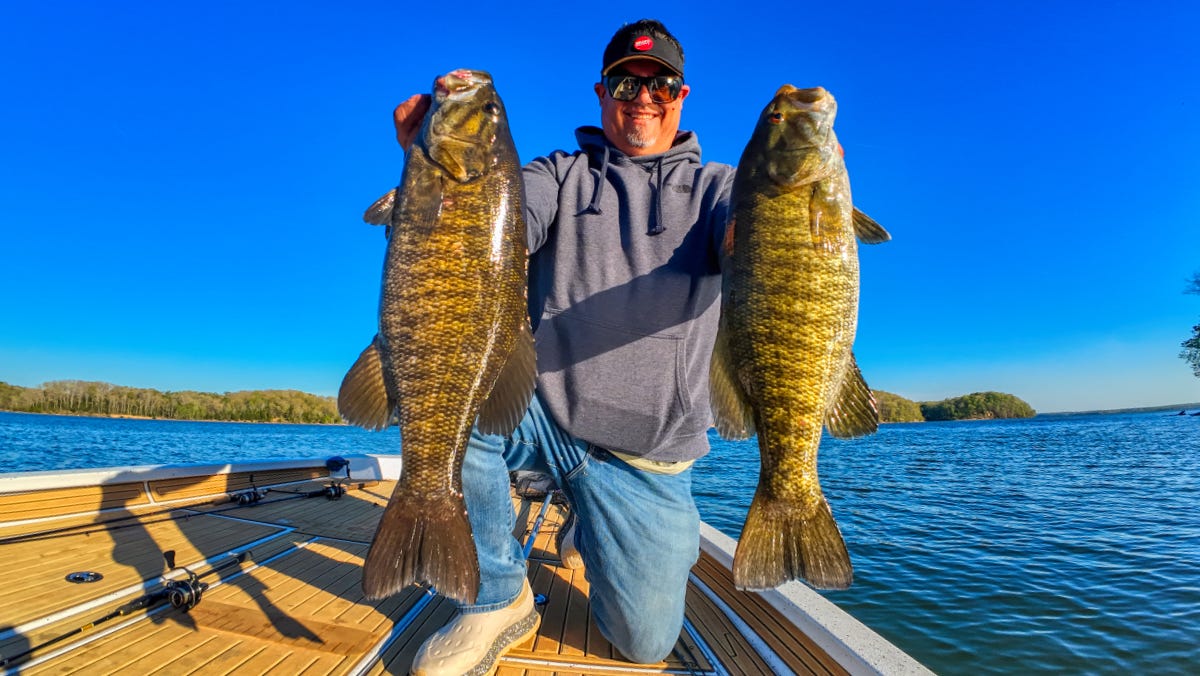
Fishing is like anything else. It can provide as much joy or as much frustration as one can stand depending on the circumstances you face. I’ve been contemplating on how to best serve anglers with the most beneficial information. I constantly get messaged about how to find fish. I still think very few anglers understand how to build systems for finding good fishing spots. And how to maximize your options to find fish before and when you get on the water.
We all want to catch fish. Weirdos like me, however, care as much about the pursuit as the catching. Because the fulfillment for me comes in finding those special places and the reward that comes in catching good fish off something you hunted for through a lot of time and effort.
I have had no less than 100 people ask me for specific spots to catch crappie, smallmouth and now red ear this year. These requests always make me chuckle. I try to help people as much as possible—more than most—truth be told. However, when I get asked for spots, I always want to reply with a tongue and cheek response.
“Sure just send me 25% of this month’s paycheck. I know you put in all the time and effort to earn that money, but I just want the immediate payout without having to do any of the work. I mean that’s pretty much what you just asked me for, right?”
I of course don’t respond with that. But I have thought it a time or two. All in good fun. But it did get me to thinking about finding fish. And I will tell you, I observe a lot of anglers on the lakes I fish, and a good many of them won’t encounter many fish.
That’s not a judgement. Just an observation on how and where they are fishing. Some people fish to just get away, and catching fish is ancillary to that experience. A bonus if you will. And I’m onboard with that.
However, there are also a lot of those people who post in the fishing groups and rush to my DMs expressing frustrations with not getting on the fish like everyone else. And then they get mad when I won’t tell them exact spots to go try.
So that got me to thinking how I could help people with the “finding-fish learning curve.”
While I do spend more time these days chasing panfish and trout, I still love bass fishing. I spent decades helping people improve their fishing in that niche. I think for me at this stage of my fishing, I appreciate the challenge of finding fish. And to keep it challenging for me, I have expanded into other species. I spent time learning to find and pattern crappie. Then moved on from just chasing bluegills in the spring to all year patterning them. Same for red ears. And now same for trout. So I have tested a lot of theories around finding fish across a lot of species at this point.
So a lot of what I share here will probably use examples from panfish and trout. I will throw in a bass example as well because a lot of my methodology comes from my pursuit of bass over four decades. And I’ve spent an inordinate amount of time documenting everything with a lot of anglers. So I have a lot of resources to pull from.
So let’s get into a few examples to help you develop your own systems for finding fish more efficiently.
WORKING INSIDE OUT OR VICE VERSA
One of the best examples of an inside-out or outside-in approach to fishing systems can be found when discussing crappie fishing through the spring season. I talked about this some in videos this prespawn and a little in Why Water Temperature is the Most Overrated Thing in Fishing.
Basically you approach a fishing day starting with seasonality. So do we think they are on prespawn, spawning, post spawn, summer, fall or winter patterns. From there then you start either where you think they were and where they will go next or vice versa.
For example, if I think crappie are moving from prespawn to spawn. I might start just outside of the spawning areas, say more than halfway back in a creek or bay and work my way out to where I think they were prespawn. For example, maybe I start in pockets or shallow flats in the last third of a major creek, and I work my way towards the middle of the creek progressively checking lots of flats, pockets and cover along the way.
You should expect to intersect the fish somewhere along this migration. It’s a systematic way to work yourself from where you think they want to be from where they last were.
So early in the prespawn the crappie may come off the main lake and be in the first third of a creek or bay on deeper cover. As the water warms they progressively get shallower as well as working further back into the bay. I like to find areas where I can move from deep to shallow easily. The easiest places to do this are on creek channel edges or “ledges” in the bays. So I can not only progress through areas, but I can really hone in on the depth the fish want to be.
Check out this video above to get a better idea how I do this with crappie.
MULTIPLE FACTORS IMPROVE ODDS
I also believe finding the best areas depends on more than one thing. I am of course referring to the fact that fishing involves a lot of variables. Some we can control and some we can’t. But I have found over the years, that finding good fishing areas usually happens when you find “multiple variables” that align in one small area.
For example, a brush pile can be a good spot for crappie. However a brush pile, on a creek channel edge, can be better. A brush pile on a creek channel edge, with several more pieces close by can be even better. A brush pile on the end of a creek channel edge, with multiple pieces of cover with bait present can be the best of all.
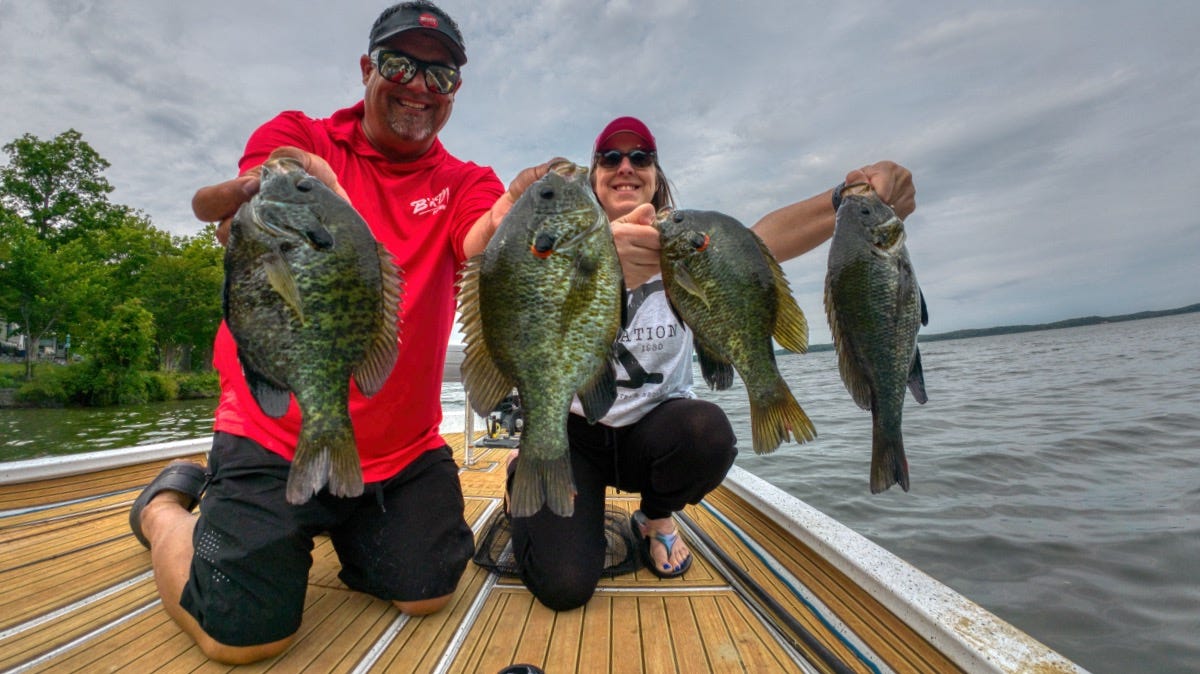
I find this a lot when I’m searching for red ears in the spring. People ask me all the time what they are looking for. Well, the simple answer involves finding multiple things that red ears like in one place. If you find good hard bottoms when they are spawning, you could be more likely to find them. If you find vegetation with good hard bottoms, your odds increase. If you find good hard bottoms, with vegetation and an edge. Your odds are greatly improved. If you find all of these things plus snails and mussels nearby, you are odds are very high for finding red ears during the spawn.
It was the same for bass fishing. You hear the bass are on ledges. Now what? Well, I would want to find where the channel edge gets hit the hardest by the current, or has the sharpest drop adjacent to it. I would want to find that with baitfish in the area. If I find all of those things, probability is high that bass will be in the area during ledge season.
BAIT SELECTION MATTERS
Lure selection can also aid in finding good fishing areas. If you can choose a lure that works in a variety of conditions and depths, you can cover large swaths of water effectively. If you have a really high confidence in a certain color or profile on a body of water from past experience, this can also speed up your search because you are not constantly fooling with baits.
I want to find a few fish, then hone in on best presentations after I know I am around fish. But I start with my confidence lures to keep my search system efficient.
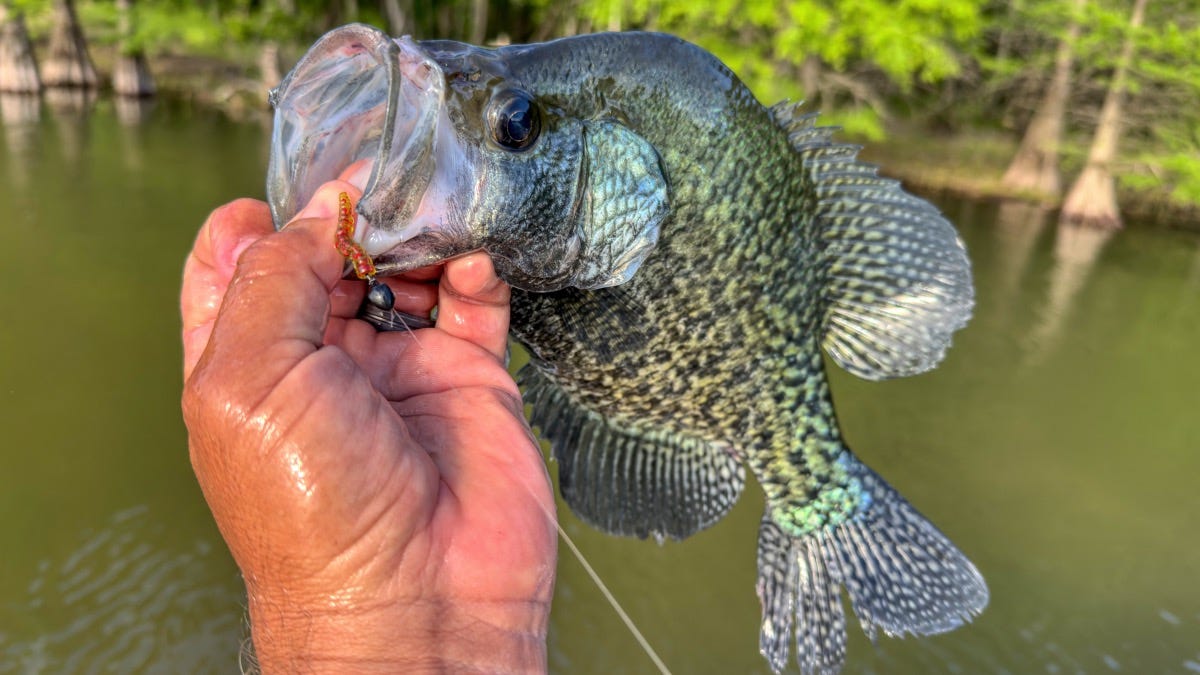
I also believe, if you are like me and you like catching crappie, bluegills, red ear, smallmouth and multiple species, you can go with certain lures like an ultralight rig with a Trout Magnet and Tungsten Eye Hole Jig to get on varieties of fish. That one setup has put me on so many fish throughout the spring, that it’s never not tied on a rod now. Because that bait is so special at catching everything from smallmouth to catfish and everything in between, I feel confident I can just fish and cover my areas very thoroughly and keep moving until I find a concentration of fish.
I believe this is why lures like Chatterbaits are so effective. You can fish them slow or fast. You can fish them shallow or deep. You can fish them in open water on rocks as well as through grass. They work in muddy water and clear water alike. Same thing for a swimbait. Same thing for a small jighead and plastic or a hair jig or a rubber skirted jig. I can cover a variety of depths, areas, and water conditions without changing lures all the time.
OVERALL SYSTEM CONSIDERATIONS
You are looking to eliminate unproductive areas and hone in on not only productive areas but presentations with a fish finding system. As you figure out the types of places the fish seem to be congregating in, you can refine your lures and presentations to really make catching fish efficient.
Most of us are limited on time we can spend on the water. So we can benefit by doing some study and planning before hitting the water. I try not to get too locked in on a strategy or approach until I get to the water. But I usually have a plan for the day before I get there.
I stay open minded about my search. I may try 5 things that don’t pan out before landing on something that starts clueing me in to what the fish are doing that day in the given conditions. Then as I expand out my area or find similar areas, I can add pieces to the puzzle.
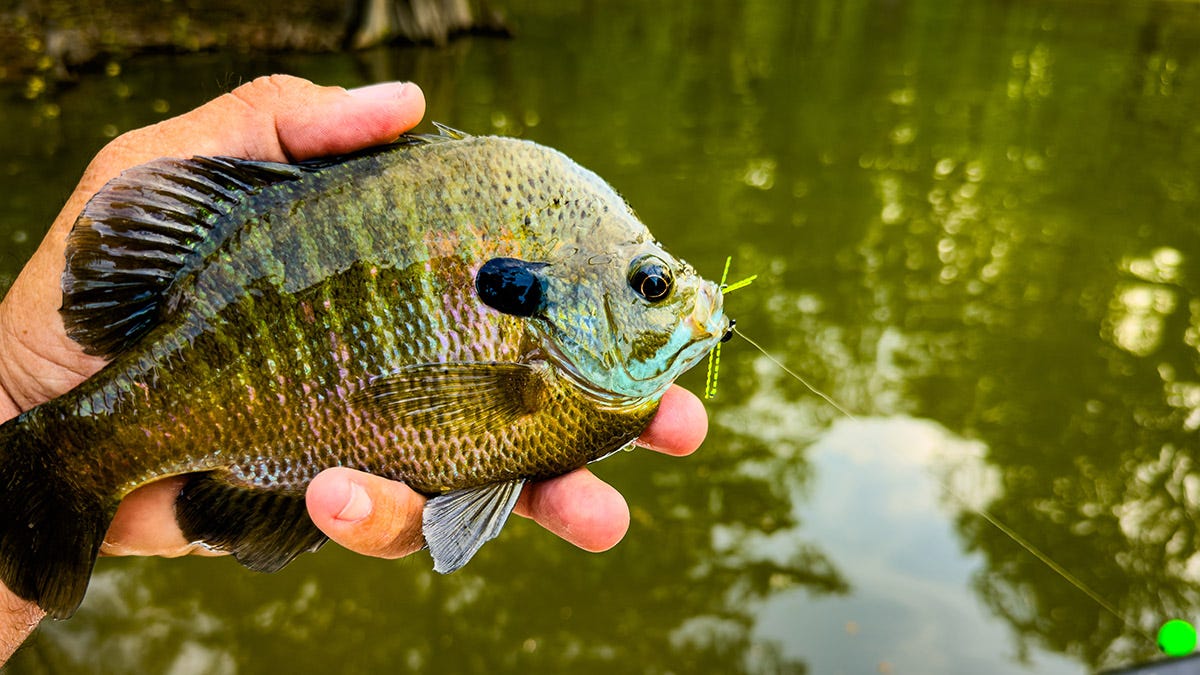
If I find a good depth and a good retrieve they like, but I am not happy with the size of fish, I will keep moving in the general area, hunting better quality. That might mean switching pockets in a creek arm. Or that might mean going a mile up a creek channel ledge and trying a totally different section. I often find with fish like crappie, you might find smaller fish doing one thing like piling up in brush piles. But find a totally bigger class of fish roaming on a flat further back on the ledge.
It’s learning to keep moving until you land on the quality you are looking for that really turns you into a good fisherman. And as you do that you will start working more on your retrieves and presentations and that will improve. Making your fishing searches more efficient as you go. So everything plays off each other with a good fishing system.
Sometimes I get on the fish in just a few hours. Sometimes it might take me a trip or two to really find the quality I want. The process and approach can be defined but the outcomes are never guaranteed. So don’t be hard on yourself if it takes longer than people on social media make it seem.
Folks tend to think because they saw a guy with a mess of fish on Facebook that he just stumbled on them in a few minutes of trying and it was easy. Most of the time, the guys regularly posting good messes of fish have had a lot of terrible days that eventually turned into decent days. Then they turned into consistently good days. Then they turned into a lot of outstanding days.
Finding fish is a process. It’s the most important thing anglers should spend their time working on improving. The hunt for fish is the name of the game. Anyone can reel them in when you land on a good spot.
Learning to find good fishing spots consistently makes you a much better angler. So it’s worth the time and effort to hone that skillset.
As always, wishing you good fishing!
Great stuff here Jason! So much of this resonates with me! Thanks! 😎🙌