
The 2 Most Important Skills to Master in Fishing
What separates the great anglers from the average anglers is simply mastering a few skills

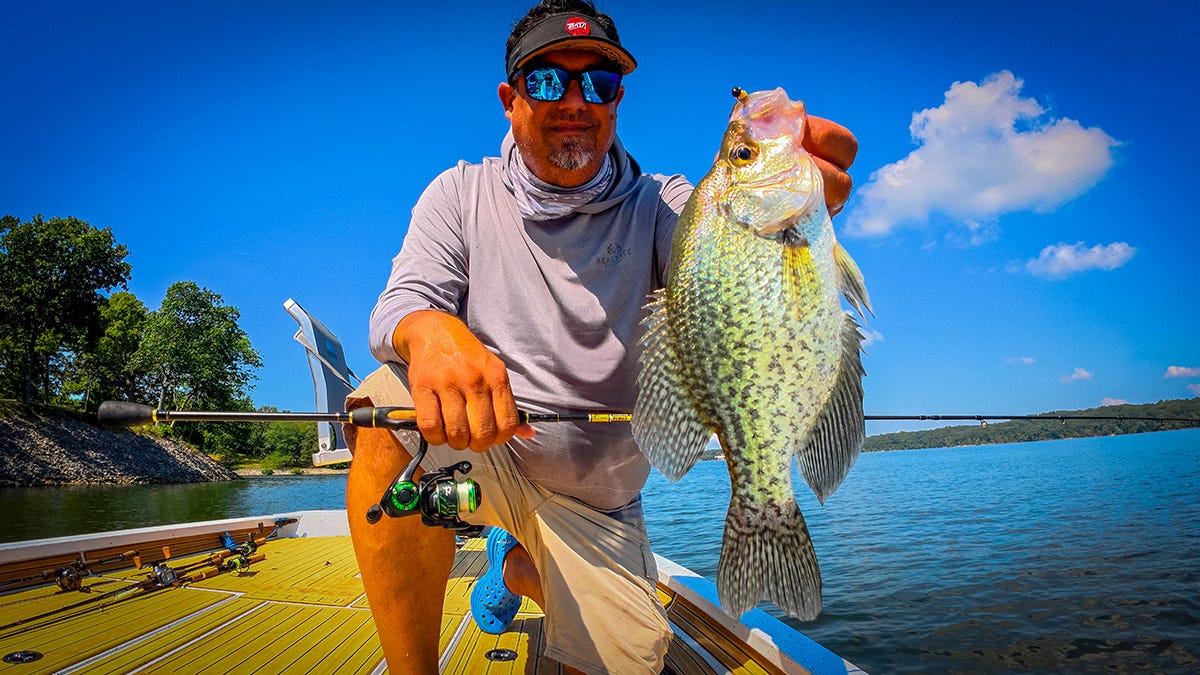
I won’t beat around the bush on letting you in on the important skills in fishing because just knowing what they are doesn’t mean much. But learning to master these two skills means everything in fishing. So, we’ll cover both. With that said, the 2 most important skills to master in fishing are as follows:
Reading water
Triggering fish
HOW TO BUILD FISHING SKILLS
I consider myself a knowledgeable person. In other words, I seek knowledge, in perpetuity. I always want to learn more about topics that interest me. So I am constantly reading about things. And as part of how I’ve made my living for the past couple of decades, I try to pass on some of what I learn to others in certain areas.
But I will also be the first to say, you master nothing by reading about it. You master something by doing it over and over again, failing at it, correcting your failures, learning the nuances of it through trial and error. And if you repeat that process enough, it becomes so second nature to you, that most of the time you don’t even recognize that you are doing all of those micro components of the skill that demonstrate your mastery. You just do it because you are confident that’s what works.
That confidence isn’t gained from reading about it or watching a video about it. It’s the application of it—more importantly, the failure and correction of it. While that pertains to any skill you wish to learn, it certainly includes fishing skills.
I have long preached that you can’t really learn anything about fishing if you don’t get a lot bites. You can learn a whole bunch of ways not to do something if you don’t get a lot of bites, but even then what you are doing might be right, but you are just doing it at the wrong place at the wrong time.
Which to me, circles back to reading your water, and understanding how to trigger fish to respond to what you are offering in that water. While no fisherman can ever claim to have it all figured out, because frankly, even the best anglers have days where they strike out. We are chasing wild creatures after all, which will be unpredictable at times, but often very predictable at other times.
So again it’s a lot of repetition. Do something for a while in a type of area, say shallow flats, do it on multiple shallow flats. If nothing, then move to a more mid-depth location, fish those areas for a while. Move out to deeper areas. Fish those thoroughly a while. Applying methodical repetition to something is how you build mastery. As the fish begin to respond to your offerings you expand your understanding and can then repeat it in other areas. And then you are on your way to improving your fishing.
You will hear guys talk about starting all the way back and fishing out. Or starting half way in and fishing to the back. The thinking is that you are reading the water and ruling out water as you go until you intersect the fish somewhere along the path from where they have been to where they are headed. This follows a seasonality. But understanding how to read the water around seasonality is critical skill number one.
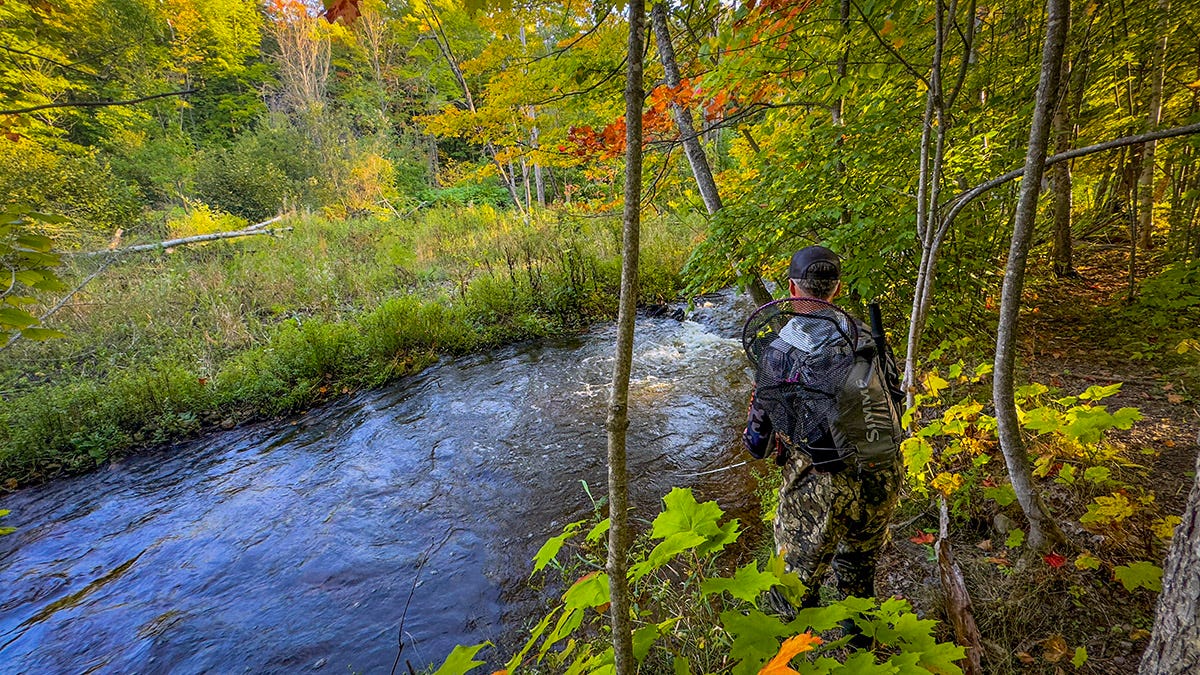
FISHING SKILL NO. 1 - READING WATER
We are fortunate to live in a time where we have a tremendous amount of quality tools to find and catch fish. But nothing will ever trump your brain and your eyes for understanding where to fish and what water “looks right.” If you have ever fished with a really good angler you respect for their knowledge and ability to catch fish, you will have no doubt encountered them pulling up and moving to a new area because where you are fishing doesn’t “look or feel right” to them.
As you hunt fish and good water, you might start where it looks right but keep moving, covering water and eventually you will end up in water that doesn’t look right. Maybe the bottom started getting soft and the water looked stagnate to you. Maybe you were finding a lot of cover and now it’s pretty barren and sparse. Maybe the water color changed on you. Maybe the depth got too shallow or too deep for the season, water temps, clarity you are looking for. These decisions all stem from your understanding of reading water and your ability to apply that to the seasonality in fishing.
Seasonality just refers to what the fish “typically do” that time of year. Like in the spring, we know a lot of fish come shallow to spawn (or if you’re a trout guy you know they make their redds in the fall). There is a period where they will feed up and move shallow, make nests, reproduce, guard fry and then move back offshore to deeper, less pressured environments. We know they will be shallow if the deep water doesn’t have enough oxygen. We know they will go deep if all the bait has moved out deep related to water temperatures. All of the seasonalities help us predict the range we should focus our efforts.
Once you have a range to start with, you can then read the water and seek out the most productive areas.
One of the easiest ways to learn to read water is to fish smaller streams and rivers. These types of water bodies restrict the amount of water you have to read. And they also can be great learning environments for learning to read cover, learning to read current and learning to read depth changes. If the water is clear, you can also learn a ton about how fish react and this can provide you invaluable experiences on learning to trigger fish, which we’ll cover more in a minute.
It can be extremely rewarding to read smaller waters and identify the most likely place for a fish to ambush a bait, then cast to it and catch a fish immediately. These types of positive reinforcement build your confidence the fastest. So I always tell anglers to learn to read water on smaller bodies of water.
Then, when you feel you are at a level of mastery there, move to the big waters and treat them as smaller bodies of water. For instance, Kentucky Lake is a massive fishery. Even as someone who has a mastery of reading water, I will force myself to go into one bay and spend all day in there reading the water because I know there is a population of fish that live in there. I need to focus on just this one much more reduced area to learn the water. Then you do it again in another bay on another day. And then again on another bay.
Before you know it, you have learned to read those waters and can now apply them to a bigger picture in your fishing. You might be able to quickly run 8-10 pockets or bays, read the water and fish them thoroughly and efficiently in a single day because you took the time to build up the confidence in each separate bay, treating each one like its own small body of water.
At this point in my fishing, I feel like you can drop me anywhere, and I am going to find the fish somewhere near me. Sometimes I do this in half a day. Sometimes it takes me a few days to “get back on the fish.” That’s often the case when you haven’t been on your large body of water for several weeks and you are not sure what water they prefer now, so it takes you a bit to intersect with them again.
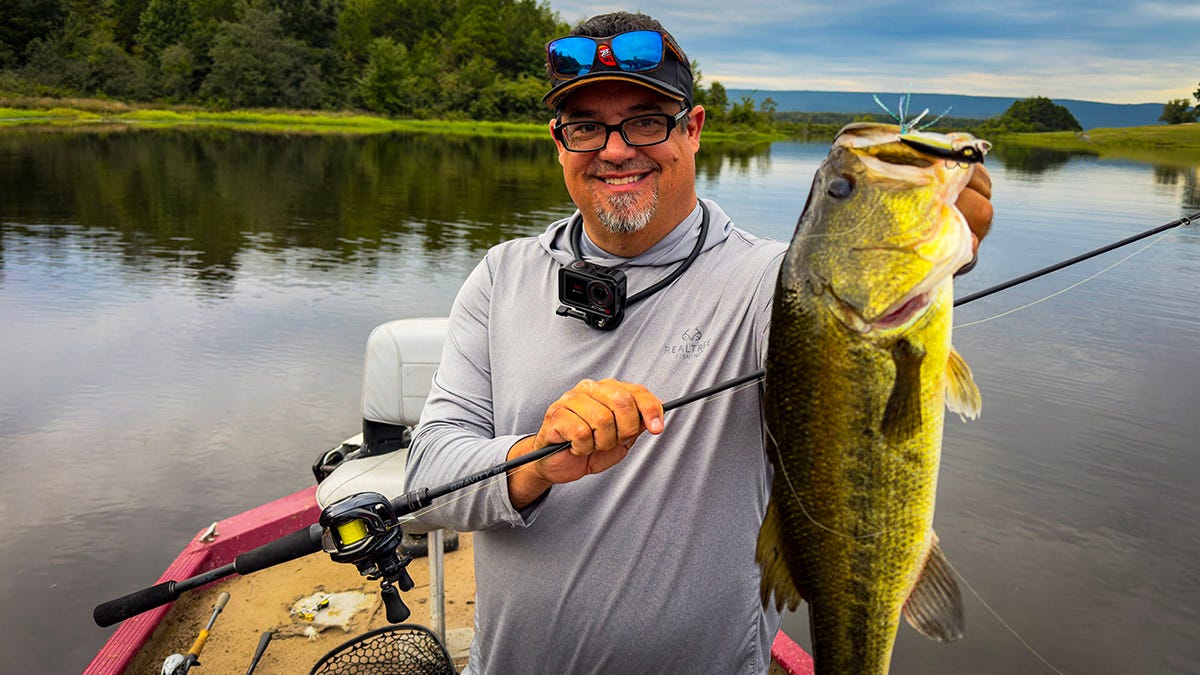
FISHING SKILL NO. 2 - TRIGGERING FISH
After learning to read water efficiently, because frankly you have to be around fish to trigger them, getting them to actually bite your lure becomes the next most important skill to master as a fisherman. And I say it’s less important, because your average fisherman can catch some fish if he gets around them. Finding them is harder than catching them in my opinion.
Triggering fish best describes the requirement here. Because understanding that fish don’t always bite because they are hungry, will put you further ahead.
Take the fall for instance, on a large reservoir like Kentucky Lake, there are quite literally millions of shad in the system right now, the primary forage base for many of our freshwater gamefish. The thought that a bass or a crappie is eating my lure because he’s hungry after eating hundreds of shad is a bit silly. I would better categorize most gamefish as reactive or impulsive. They slave to their basic instincts and impulses. They cannot help themselves in this regard. Their biological responses direct their behavior.
Knowing that means I have to get my lure in front of them and then make them trigger out of a natural impulse. This distinction separate great anglers from average anglers. The best anglers I know have a knack for getting fish to strike once they find them. A good angler might fish an area and catch 10 fish. A great angler will fish that same area and catch 20, and they will often be bigger.
Triggering fish requires some understanding of the fish and their reactions. A trout reacts to how things move a lot differently than a crappie does. A bass reacts to things a lot differently than a walleye does. So you are required to understand the proclivity of the fish you are after.
For example, you can catch a lot of crappie with a slow steady retrieve. While a fast, violent hopping or jigging retrieve will spook more crappie than it catches. However inside of that, you will find that a slow, steady retrieve with a stutter or a slight pulse will yield twice as many bites as the steady retrieve did. Yes when they are really active and biting, all you have to do is throw it out and reel it in. But when they are seemingly shut off, those nuances in presentation matter immensely.
Say what you will about Livescope, but no single tool has helped me understand how I present my lures and how the fish react to them better than LS. At least not since I was a kid catching smallmouth from clear Ozark streams with a pair of good polarized sunglasses. If I can see fish with my own eyes, I prefer that. But most of the time our fish are not in clear water or in shallow water. I feel like my fishing has greatly improved the last few years because I am able to present my lures so much better now. And that’s even when I fish without LS, which I do a lot.
Because I have now seen thousands of fish turn away from my lures. And now I better understand the subtle movements I can add to make a fish trigger without turning them off. So, I can hop on any body of water with no electronics and catch a lot more fish because I am triggering fish more with better retrieves.
Speed and cadence get thrown out a lot by anglers when trying to explain how to catch fish better. How fast you move your lure and the repetition of certain movements can often make your presentations much better. Sometimes a super fast retrieve gets smallmouth and other game fish to react better. Sometimes a slow retrieve with slight pauses will get fish like crappie or red ears to move better. Sometimes a pulse and pause retrieve will give a fish like a trout or a bluegill multiple chances to swipe at your lure.
I will say with triggering, moderation and restraint matter. I want to make the lure do something to break the monotony of the presentation, but I don’t want it to be so overbearing or unnatural that it alerts the fish to something being off.
I have also had days where working a big glide bait as fast as I possibly could up near the surface got the biggest and most bites. Completely contradicting the slow and steady notion that surrounds glide bait fishing.
Those things have taught me to think about my retrieves more like I’m trying to tease a fish, rather than thinking I need to work the lure like I see everyone else do it with the same monotony everyone else shows the fish.
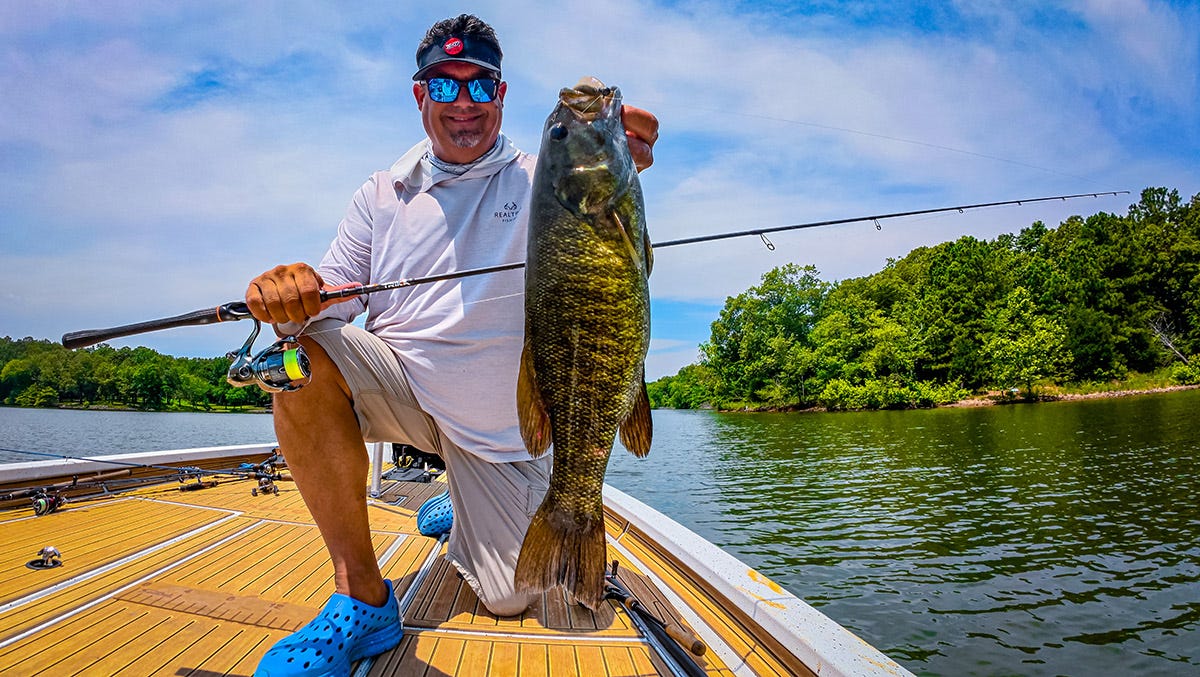
OTHER FISHING SKILLS THAT COMPLEMENT
Other skills can complement the most important skills of reading the water to locate the fish and working your lures to trigger a bite. For me, I put casting at the top of the list. Yes, for sure, anglers will have days where bombing a long cast and just reeling the lure in will catch a bunch of fish. And even certain small bodies of water, that seems like all you have to do. Yet I find the guys who can really place a bait quietly in the perfect pinpoint spot, seem to always catch the best and biggest fish.
Even fishing offshore, I have had times where you need to make a long cast to the exact same 2-foot spot. I don’t know if the current just hit there the hardest, if that was the cleanest patch of bottom or if there was just one big rock there that every time you hit it, the fish couldn’t stand it. But that exact cast mattered, even in 20 feet of water.
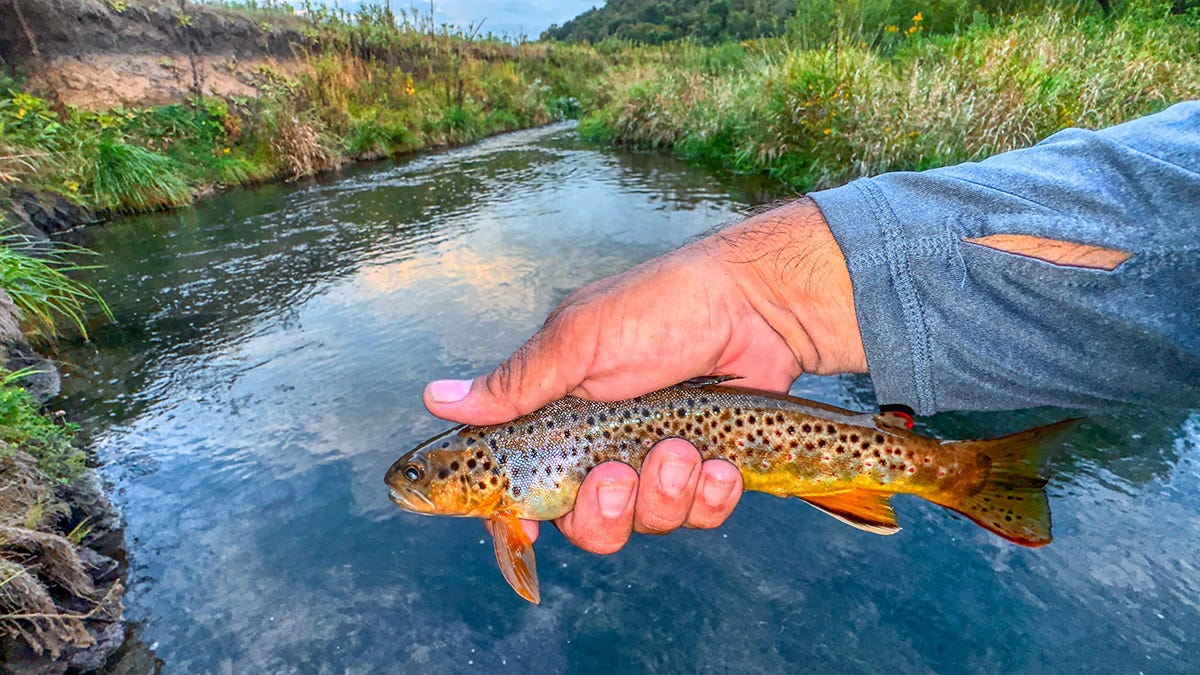
I find it all the time fishing small creeks and rivers. The fish is tucked out of the current between a laydown and some bank grass. And if the lure doesn’t land within inches of that very quietly, you are not going to coax that fish into biting. I experienced it fly fishing in Wisconsin this year.
The bigger trout were tucked under grassy undercut banks. If your fly landed two feet from the bank, you never got a bite. But if it drifted a couple inches from the bank, the big trout would dart out and grab it.
I find it in crappie fishing all the time. They have their eyes behind one stake in a stake bed and if you can’t get your lure to go right in front of his nose, he will never see it and bite.
Line control matters too. I want to keep a watchful eye on my line for strikes and changes in my presentation. I also want to control my line in current and wind to be able to see the strikes and also to make sure those factors are not making my presentation too fast, too shallow and generally just making me less efficient with my retrieves.
Lure choice can matter a lot as well. Size, weight, profile, and action can all make a difference in covering water effectively when reading your areas as well as triggering fish to bite. So it pays to be student of the gear and tackle choices. I find as I get older, I fish a lot less number of lures, opting for the same ones over and over because I have built up confidence over 4 decades of knowing certain lures will help me cover water and catch fish and certain lures can be fished a lot of different ways to trigger fish in multiple scenarios.
It’s part of why hover strolling or shaking a minnow has become so successful as a presentation. It catches fish in a wide variety of scenarios and can be fished shallow or deep, slow or fast and looks like real food. I call it “crappie minnowing.” We’ve been throwing these little minnow baits at crappies for decades, now we upsized ‘em for bass and are basically doing the same thing.
Regardless of how you like to fish, reading the water and using your retrieve cadence to trigger the fish will lead you to lot more and bigger catches in your fishing.
I was helping a friend fish some spots I had fished hard for a few years but doing so with Google map pins and a little pep talk. He struggled and the first thing I asked is what did it look like and how did it feel? Like the two weirdest questions but it was impossible for me to help him further because I wasn’t sure if I was there if I would have just pulled the plug and moved spots or switched up how he should have been fishing,